The Future of Content Creation: AI-Powered Translation Technologies


The Role of AI in Content Creation
The landscape of content creation is rapidly evolving, with AI-powered translation technologies playing a pivotal role. These advancements are not only changing how we translate languages but also how we create and distribute content globally. The integration of AI in content creation is paving the way for more personalized, efficient, and scalable solutions.
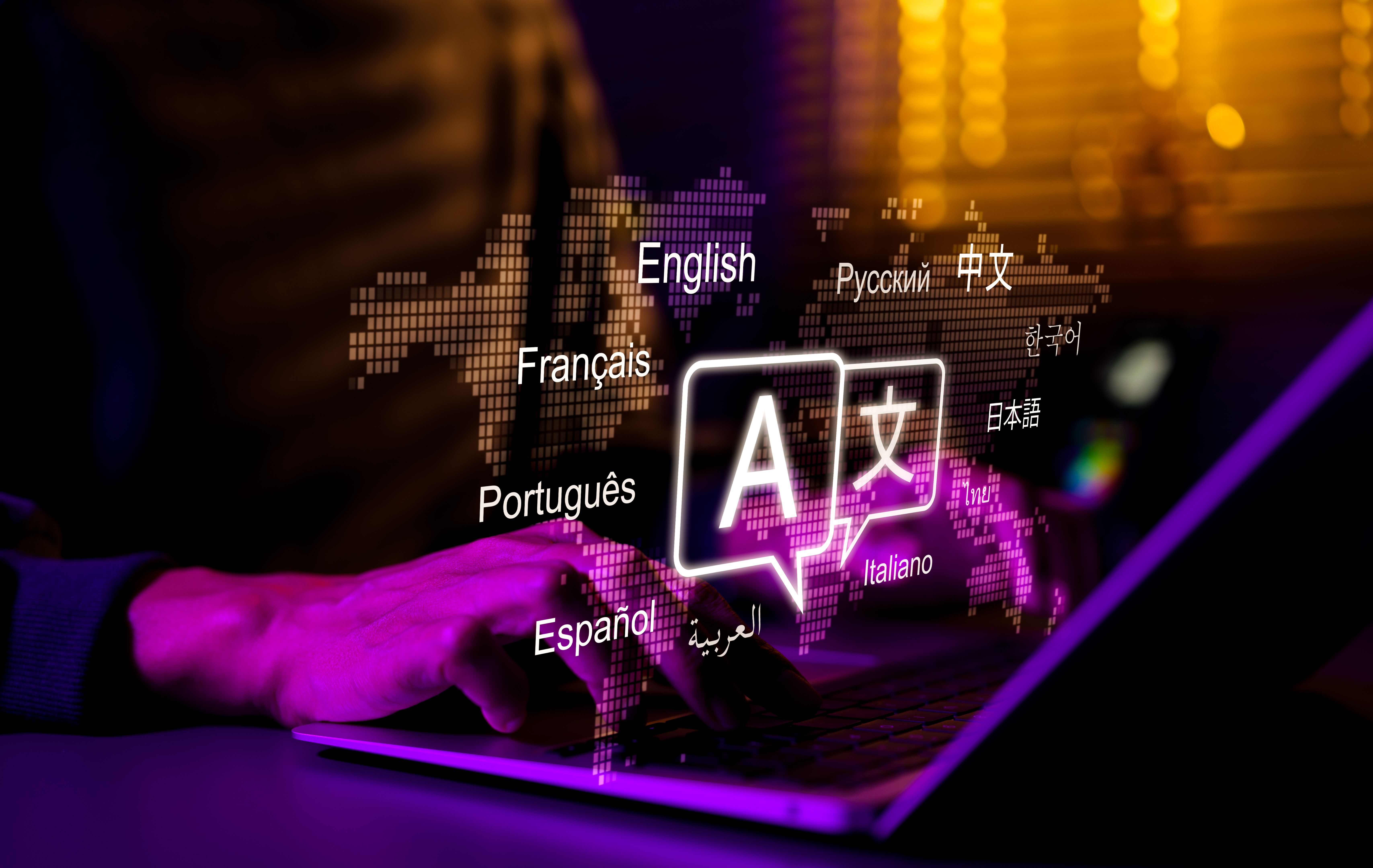
AI translation technologies are breaking down language barriers, allowing content creators to reach a wider audience. This capability is crucial for businesses looking to expand their global presence. By providing accurate and nuanced translations, AI ensures that the essence of the original content is preserved, enhancing communication across cultures.
Advantages of AI-Powered Translation
One of the significant advantages of AI translation technologies is their ability to process large volumes of text quickly. This speed is invaluable for content creators who need to keep up with the fast-paced demands of digital media. Additionally, AI can learn from previous translations, improving accuracy over time.
Another benefit is cost-effectiveness. Traditional translation services can be expensive and time-consuming. In contrast, AI-powered tools offer a more affordable solution without compromising quality. This democratizes access to professional-level translation services, enabling smaller businesses to compete on a global scale.

Enhancing Creativity and Collaboration
AI is not just a tool for translation; it also enhances creativity and collaboration. By automating routine tasks, content creators can focus on more strategic and creative aspects of their work. AI tools can suggest content ideas, optimize for SEO, and even generate drafts, allowing human creators to refine and personalize the output.
Collaboration is further facilitated by AI technologies through real-time translation features in communication platforms. Team members from different linguistic backgrounds can collaborate seamlessly, fostering innovation and diverse perspectives.
Challenges and Considerations
Despite the advantages, there are challenges to consider when integrating AI translation technologies. One of the primary concerns is the potential for errors in nuanced or idiomatic expressions. AI may struggle with context, which can lead to misunderstandings if not carefully monitored.
It's essential for content creators to review AI-generated translations and make adjustments as needed. This human oversight ensures that the content is culturally relevant and resonates with the target audience.
The Future of AI in Content Creation
As AI technology continues to advance, we can expect even more sophisticated translation tools. Future developments may include better contextual understanding and emotional intelligence, which will enhance the quality and effectiveness of translations.
The future of content creation will likely see a more integrated approach, where AI and human creativity work hand-in-hand. This synergy will lead to richer, more engaging content that transcends language barriers and connects with audiences worldwide.
In conclusion, AI-powered translation technologies are set to revolutionize the content creation industry. By embracing these tools, content creators can unlock new possibilities, reach broader audiences, and build more meaningful connections across the globe.