Success Stories: How AI Transformed These Businesses


Revolutionizing Retail with AI
In recent years, the retail industry has experienced a paradigm shift, largely due to the integration of artificial intelligence (AI) technologies. One remarkable success story is that of a global fashion retailer that utilized AI to enhance customer experiences. By implementing AI-driven chatbots, they managed to provide 24/7 customer support, significantly improving customer satisfaction and engagement.
The retailer also leveraged AI for personalized product recommendations. This not only increased average order value but also boosted customer retention rates by providing shoppers with tailored suggestions based on their browsing and purchase history.

Enhancing Healthcare Efficiency
The healthcare sector has also seen transformative results with AI adoption. A leading hospital network implemented AI algorithms to streamline their patient diagnosis process. By analyzing vast amounts of medical data and patient records, the AI system could provide doctors with accurate diagnostic recommendations, reducing errors and saving valuable time.
Moreover, AI-powered predictive analytics allowed the hospital to manage resources more effectively. This ensured that staff allocation was optimized, leading to significant improvements in operational efficiency and patient care outcomes.

AI in Manufacturing: A Game Changer
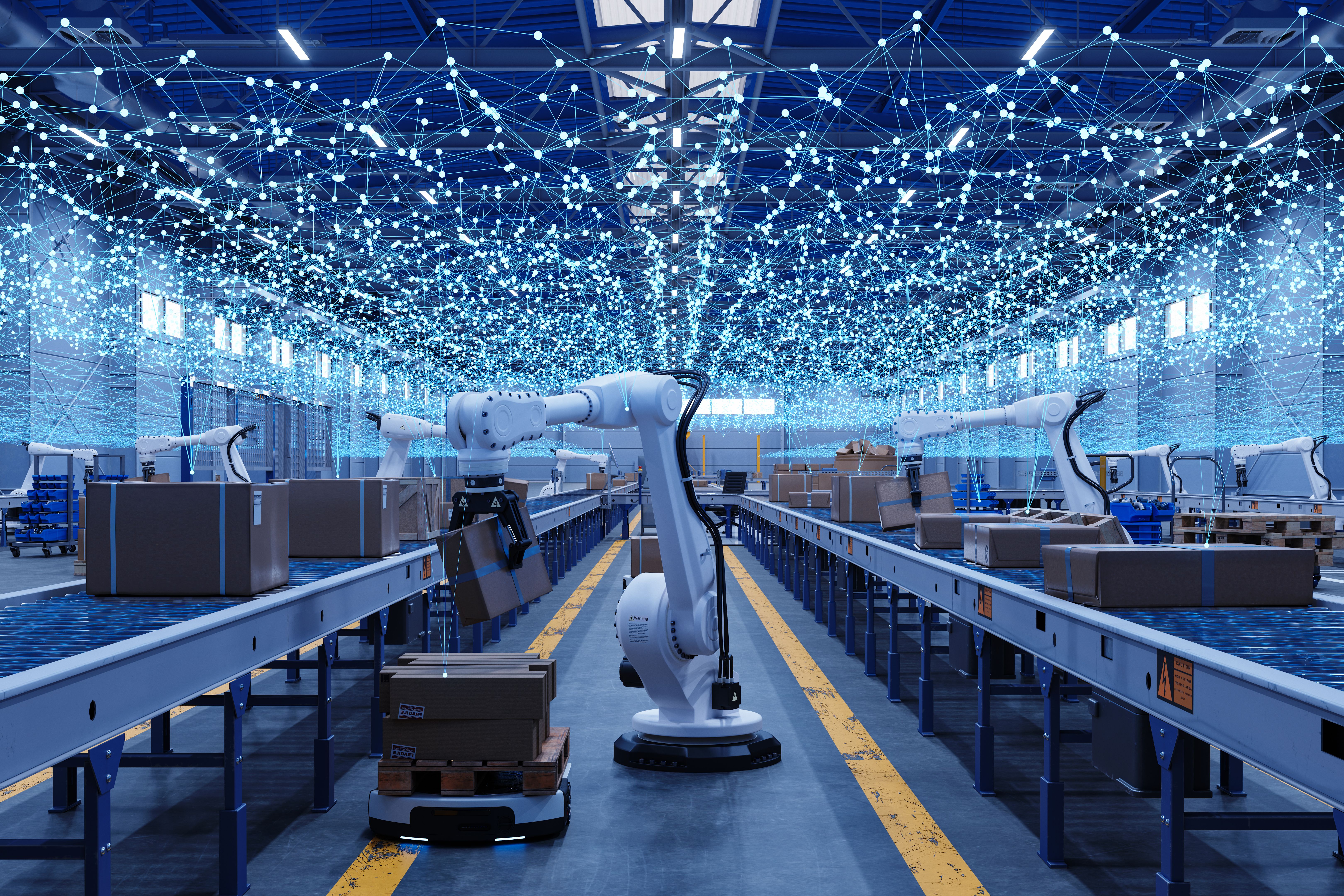
Manufacturing businesses have long sought ways to improve productivity and reduce costs. One such company integrated AI into their production line, resulting in substantial improvements. Through machine learning algorithms, they could predict equipment failures before they occurred, thus minimizing downtime and maintenance costs.
Additionally, AI enabled real-time quality control by analyzing product images and identifying defects with high precision. This ensured that only products meeting the highest quality standards reached consumers, enhancing brand reputation and customer trust.
Transforming Financial Services
The financial sector is no stranger to technological advancements, but the introduction of AI has taken it a step further. A prominent bank adopted AI for fraud detection, using advanced algorithms to analyze transaction patterns and flag suspicious activities instantly.
This proactive approach not only safeguarded customers' assets but also built a stronger trust in the bank's security measures. Furthermore, AI-driven financial advisory services provided personalized investment advice, helping clients make informed decisions and achieve better financial outcomes.
AI in the Travel Industry
Travel companies have embraced AI to enhance customer experiences and streamline operations. A renowned travel agency harnessed AI to create a dynamic pricing model that adjusted prices based on demand and market conditions in real-time. This strategy maximized revenue while offering competitive pricing to customers.
Furthermore, AI-powered virtual assistants were deployed to assist travelers with itinerary planning and booking processes, providing a seamless and personalized journey from start to finish. This level of customization has set new standards in customer service within the travel industry.

Conclusion: The Future of AI in Business
The success stories of these businesses highlight the transformative power of AI across various industries. From enhancing customer experiences to optimizing operations and boosting revenue, AI has proven to be a valuable asset in today's competitive market landscape.
As technology continues to evolve, businesses that embrace AI will likely continue to thrive, setting new benchmarks for innovation and efficiency. The key to success lies in leveraging AI's potential strategically and ethically, ensuring sustainable growth for the future.