How to Translate Videos with AI: A Step-by-Step Guide


Introduction to Video Translation with AI
In today's globalized world, reaching a diverse audience is essential for content creators. Translating videos into multiple languages can significantly expand your reach. Thanks to advancements in artificial intelligence, translating videos is now more accessible than ever. This guide will walk you through the process of translating videos using AI tools efficiently.
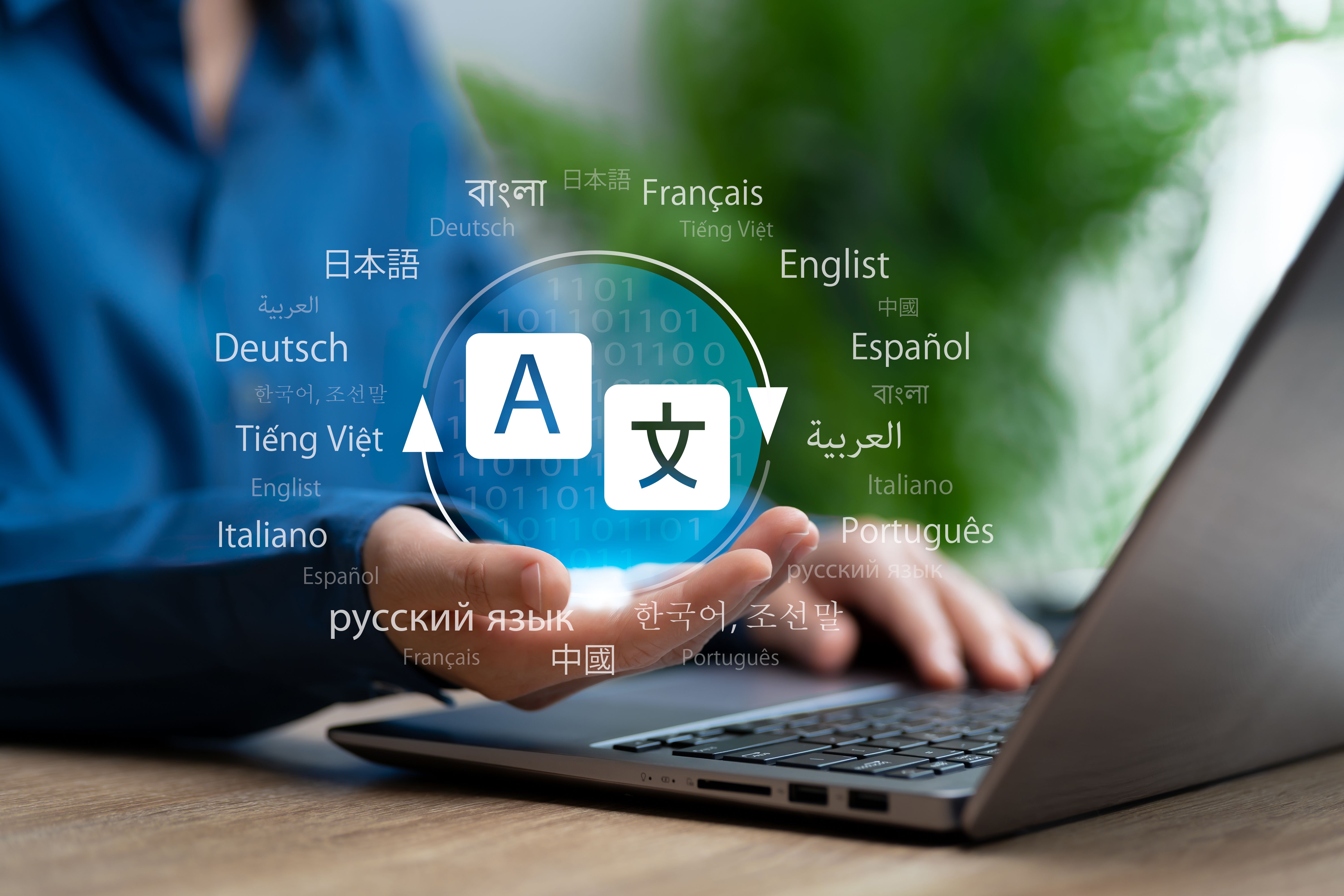
Understanding AI Translation Tools
AI translation tools leverage machine learning and natural language processing to translate spoken or written content. These tools are designed to recognize speech, convert it into text, and translate it into another language seamlessly. Cutting-edge AI models can even maintain the original tone and context, ensuring high-quality translations.
Benefits of Using AI for Video Translation
AI tools offer numerous advantages for translating videos. They are faster and often more cost-effective than traditional methods. Additionally, AI can handle large volumes of content, making it ideal for extensive projects. The accuracy of AI translations continues to improve, providing reliable results for various applications.
Steps to Translate Videos with AI
Translating videos with AI involves several steps. Here’s a comprehensive guide to help you through the process:
- Choose the Right AI Tool: Research and select a tool that fits your needs. Consider factors such as supported languages, ease of use, and pricing.
- Upload Your Video: Most AI tools allow you to upload your video file directly. Ensure your video is in a supported format.
- Generate Transcriptions: Use the tool to transcribe the audio content. Review the transcription for accuracy, as this will affect the translation quality.

Editing and Reviewing Translations
Once you have the translated text, it's essential to review and edit the content. AI-generated translations can sometimes miss nuances or context-specific meanings, so a human touch is often necessary. Ensure that the translation aligns with your original message and tone.
Incorporating Subtitles and Voiceovers
After finalizing the translation, you can add subtitles or voiceovers to your video. Subtitles make your content accessible to a wider audience, while voiceovers can enhance viewer engagement. Most AI tools offer features to help you sync subtitles or generate synthetic voiceovers.
Finalizing and Sharing Your Translated Video
With the translation complete, it's time to finalize your video. Export the video in your desired format and quality. Consider the platforms where you plan to share your content, as different platforms have varying requirements for video uploads.

Sharing your translated video can significantly increase your global reach and engagement. By leveraging AI technology, you can efficiently produce multilingual content that resonates with diverse audiences worldwide.