Breaking Barriers: Expanding Global Reach with Video Translation


Introduction to Video Translation
In today’s interconnected world, businesses are continually seeking ways to expand their global presence. One of the most effective methods to achieve this is through video translation. By breaking language barriers, companies can reach a wider audience, engage with diverse cultures, and increase their influence across different regions.
Video content has become a powerful tool for communication and marketing. However, to make the most of it, businesses need to ensure their content is accessible to non-native speakers. This is where video translation comes into play, transforming your message into a global conversation.
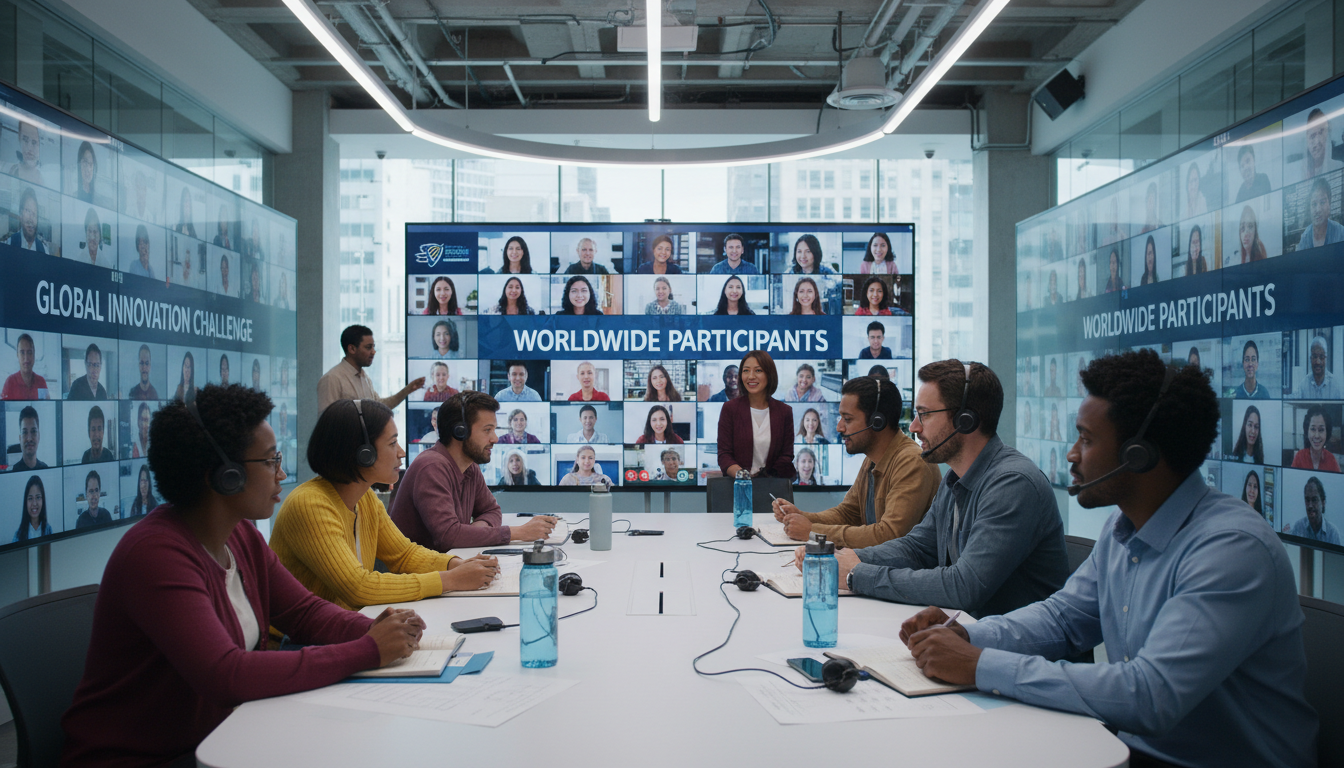
The Importance of Video Translation
Video translation is not just about converting words from one language to another. It involves adapting content to suit different cultural contexts, ensuring that the original message is preserved and resonates with various audiences. This process includes subtitling, dubbing, and voice-over services.
By leveraging video translation, brands can enhance their global reach, build trust with international audiences, and create a more inclusive brand image. It helps in making content more relatable and understandable, thereby driving engagement and conversion rates.
Benefits of Video Translation
- Wider Audience Reach: Access audiences in multiple regions and languages.
- Enhanced Engagement: Engage viewers by providing content in their native language.
- Improved SEO: Boost your search engine visibility with multilingual content.

Implementing Video Translation
Implementing video translation requires a strategic approach. Businesses must first identify key markets and languages that align with their goals. This involves researching target demographics and understanding cultural nuances.
Once target markets are identified, companies can choose the appropriate translation method. Subtitles are a cost-effective option, while dubbing and voice-over provide a more immersive experience. Collaborating with professional translation services ensures accuracy and quality.
Challenges and Solutions
While video translation offers numerous benefits, it also presents challenges. These include maintaining the tone and intent of the original message, dealing with technical constraints, and ensuring linguistic accuracy. To overcome these, businesses should invest in expert translators and utilize advanced translation technologies.
Additionally, regular feedback and testing with native speakers can help refine the translated content, making it more effective and engaging for the target audience.

Conclusion
Breaking barriers with video translation is a crucial step for businesses aiming to expand their global reach. By making content accessible and relatable, companies can connect with international audiences on a deeper level. Embracing this approach not only enhances brand visibility but also fosters a sense of connection and understanding across cultures.
As the digital landscape continues to evolve, video translation will remain an essential tool for businesses looking to thrive in a global marketplace. By investing in quality translation services, companies can ensure their message resonates worldwide.